
 language
 English
 Español
 بالعربية
News
Pragmatism, Integrity, Passion

Pragmatism, Integrity, Passion
Sourcing reliable pipeline materials for complex projects causes headaches. Delays in delivery or poor quality specs destroy your project timeline. You need a solution that balances cost, precision, and durability immediately. 304 stainless steel small diameter tubing is the industry standard for precision applications due to its excellent corrosion resistance, formability, and cost-effectiveness. It is essential for medical devices, instrumentation lines, and automotive systems where strict tolerances and long-term durability are required.
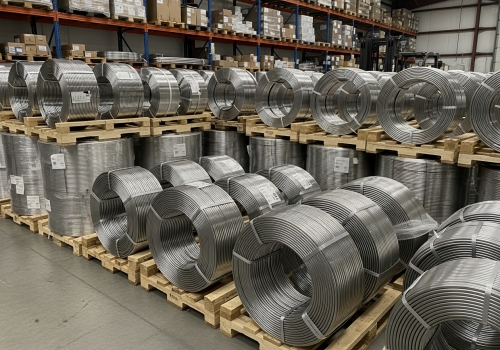
I remember a project back in 2010. A client from a large EPC company came to me. He was stressed. His previous supplier sent tubes with inconsistent wall thicknesses. His production line stopped. He lost money every hour. I showed him our 304 stainless steel small diameter tubing. We checked the specs together. The dimensions were perfect. His production restarted. He saved his reputation. This happens often. Bad materials cause big problems. Good materials bring peace of mind. We will explore why this specific tubing is the right choice for you.
Engineers and purchasing managers often get confused by the many specifications available. You need to know the exact definition to order the right product for your system. Small diameter stainless steel tubing refers to hollow steel pipes with an outer diameter typically under 25.4mm (1 inch). These tubes possess high strength-to-weight ratios and are critical for transporting fluids or protecting electronics in tight spaces, with Grade 304 being the most versatile option.
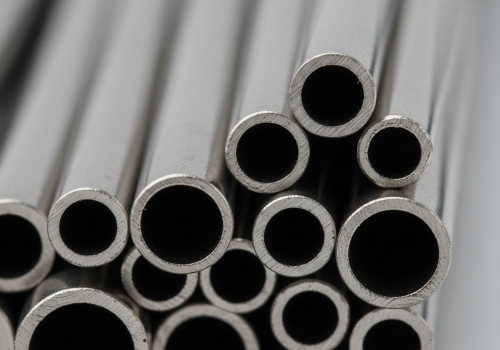
We need to look closer at this material. The definition seems simple. It is a small tube. But the engineering behind it is complex. The outer diameter (OD) is small. It is usually less than 25.4mm. Some people call this micro tubing if it is under 1mm. These tubes must handle high pressure. They must resist rust. They must fit into small machines. The material grade is the most important part. I see many buyers choose the wrong grade. They pay too much for Grade 316. Or they buy cheap carbon steel and it rusts. Grade 304 is the sweet spot. It contains 18% chromium and 8% nickel. This mix is magic. It stops rust in most environments. It is easy to weld. It is strong. Here is a simple breakdown of the grades we handle at Centerway Steel:
| Grade | Composition | Key Benefit | Typical Use |
|---|---|---|---|
| SS 304 / 304L | 18% Cr, 8% Ni | Best balance of cost and performance. Excellent formability. | General instrumentation, food lines, lab equipment. |
| SS 316 / 316L | 16% Cr, 10% Ni, 2% Mo | Higher corrosion resistance due to Molybdenum. | Marine environments, harsh chemical plants. |
| SS 321 | Titanium Stabilized | Resists high heat. | Aircraft exhaust, heat exchangers. |
You might wonder if this specific tubing fits the unique demands of your current construction or engineering project. The applications are vast and critical to modern infrastructure. This tubing serves critical roles in medical catheters, automotive fuel injection systems, and industrial instrumentation lines. It is chosen for these applications because it ensures hygiene, withstands vibration, and maintains pressure integrity without leaking.
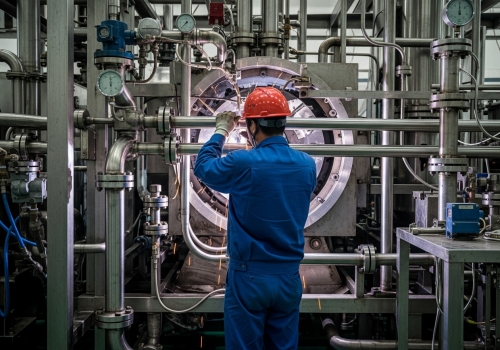
My experience in this industry covers many sectors. I have seen our tubes in hospitals. I have seen them in race cars. The versatility of 304 stainless steel small diameter tubing is amazing. Let's talk about medical use. Doctors need clean tools. 304 steel is easy to clean. It does not react with the body. We supply tubes for needles and catheters. The surface must be smooth. Bacteria cannot hide there. Now look at the automotive industry. Cars have fuel lines. These lines carry gas at high pressure. The engine shakes. The tube must be strong. It cannot crack. 304 tubing handles this vibration well. It is also easy to bend. Engineers fit it into tight engine bays. In the EPC sector (Engineering, Procurement, Construction), we use it for instrumentation. You have sensors in your plant. They measure pressure and flow. You need small tubes to connect these sensors. These are impulse lines. If the tube fails, the sensor fails. The plant stops. 304 tubing is reliable here. It resists the weather. It resists chemicals inside the pipe. Here is where these tubes add value:
| Industry | Application | Why 304 is the choice? |
|---|---|---|
| Medical | Cannulas, Endoscopes | Biocompatible, easy to sterilize, cost-effective vs titanium. |
| Automotive | Fuel lines, Brake lines | High fatigue strength, easy to bend/shape. |
| Oil & Gas | Control lines, Hydraulic lines | Resists oxidation, handles high pressure (Seamless type). |
| Food & Bev | Dispensing tubes | non-toxic, does not alter taste, cleans easily. |
Manufacturing defects lead to leaks and system failures which cost your company money. Understanding the production method ensures you buy the safest product. The choice between seamless and welded construction impacts pressure ratings and cost. Cold drawing ensures precise dimensional tolerances for tight assemblies, while annealing provides the necessary ductility for bending and shaping without breaking.
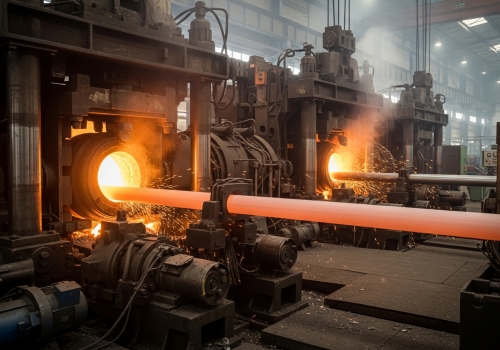
I visit our factory floor often. I watch the production. It matters how we make the tube. There are two main ways. One is Seamless. One is Welded. Seamless tubes start as a solid bar. We heat it. We punch a hole through it. There is no weld seam. This is very strong. It handles high pressure. It is safer for dangerous fluids. But it costs more. Welded tubes start as a flat strip. We roll it. We weld the edges. We grind the weld smooth. This is cheaper. It is good for low pressure. It is good for structural parts. For precision work, we use "Cold Drawing". We pull the tube through a die. This shrinks the tube. It makes the wall thickness perfect. It makes the surface smooth. This is critical for 304 stainless steel small diameter tubing. If the size is wrong by 0.1mm, it might not fit your fitting. You lose time. We also do "Annealing". This is heat treatment. When we work the metal, it gets hard. It might crack if you bend it. We heat it up again. This softens the metal. Now you can coil it. You can bend it. It stays strong. Quality checks are vital. We do an Eddy Current test. It finds cracks you cannot see. We do a Hydrostatic test. We fill the tube with water at high pressure. We check for leaks. As a Purchasing Manager, you must ask for these reports.
· Welded: Best for cost, decorative, low pressure.
· Cold Drawn: Best for precision, smooth finish.
Buying the wrong specifications wastes budget and creates safety hazards for your end-users. You need a clear checklist to make the smart decision. Consider the operating environment, temperature range, and pressure requirements before ordering. Balance the cost-efficiency of Grade 304 against the extreme resistance of Grade 316 or Inconel based on the specific chemicals and heat levels in your system.

I help many procurement managers like you. You want to save money. But you do not want to sacrifice quality. Here is my advice on how to choose. First, look at the environment. Is it a normal factory? Is it indoors? Then Grade 304 is perfect. It is the most economical choice. Is it an offshore oil rig? Is there salt water? Then you need Grade 316. 304 might rust there. Do not pay for 316 if you do not need it. Second, look at the pressure. Do you have high-pressure steam? Do you have hydraulic fluid? You need Seamless tubing. Is it a drain line? Is it a handrail? Welded tubing is fine. It saves you 20-30% on cost. Third, look at the tolerance. Does the tube go into a compression fitting? The diameter must be exact. Standard tolerance is okay for most things. But for instruments, ask for "Precision" or "Instrumentation Grade". Fourth, think about the finish. Do you carry ultrapure gas? Do you carry medicine? You need Electropolished (EP) finish. It is very shiny inside. Dirt cannot stick. For standard oil lines, "Bright Annealed" (BA) or "Pickled" is enough. Here is a quick decision guide:
| Factor | Condition | Recommended Action |
|---|---|---|
| Corrosion | Indoor / Fresh Water | Buy 304 Stainless Steel. Save money. |
| Corrosion | Salt Water / Chemical | Buy 316 Stainless Steel. Ensure longevity. |
| Pressure | High (> 200 bar) | Buy Seamless Tubing. Ensure Safety. |
| Pressure | Low (< 50 bar) | Buy Welded Tubing. Reduce Cost. |
| Precision | Compression Fittings | Specify strict OD tolerance (e.g. ±0.05mm). |
Selecting the correct piping ensures project safety and budget control. 304 stainless steel small diameter tubing offers the best versatility for most industrial needs. We at Centerway Steel are ready to support your sourcing requirements.