
 language
 English
 Español
 بالعربية
News
Pragmatism, Integrity, Passion

Pragmatism, Integrity, Passion
Are your stainless steel pipes looking old and rusty? This dull look hurts your project quality. Do not worry. You can fix this easily with the right polishing method. To know how to polish stainless steel pipe, you must first clean the surface well. Then, use sandpaper to remove all scratches. Next, use a polishing wheel with compound for a bright shine. Finally, clean the pipe again to protect the surface and stop future rust.
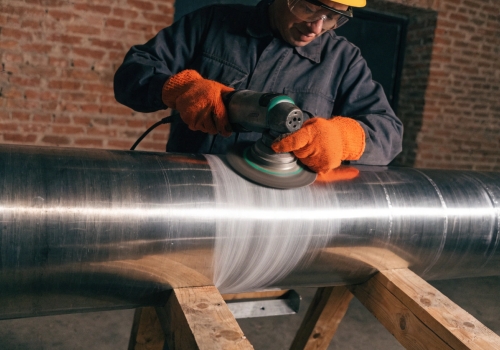
Knowing the basic steps is a very good start. Real pipeline projects need deeper knowledge. We will look at the details below. This information will keep you reading and help you get the best results for your construction jobs.
Using the wrong tools ruins your pipes completely. This mistake costs you time and money. Learn the right tools now to save your budget and get a perfect finish. You need simple tools to polish stainless steel pipe. Get non-abrasive cloths, soft cotton wheels, and a good variable speed grinder. Also, prepare different grits of sandpaper, polishing compounds, and a chloride-free cleaner. These tools help you finish the job the right way.
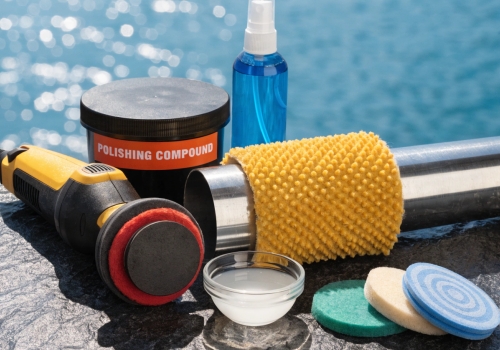
I work with many EPC construction teams. They often ask me about tool selection. Finding the right tools is the first step in learning how to polish stainless steel pipe. You do not always need expensive machines. You just need the right items for the exact job. A variable speed grinder is your best friend. It gives you full control. A high speed makes too much heat. This heat damages the steel. Heat destroys the passive layer. This thin layer stops rust. You must also pick the right abrasives. Sandpaper comes in different grits. You always start rough and end fine. Here is a simple list of polishing compounds you will use:
| Compound Color | Main Purpose | Best Time to Use |
|---|---|---|
| Brown | Cuts the metal and removes deep scratches | First step of machine work |
| White | Brightens the surface | Middle step for a smooth look |
| Green | Creates a final mirror finish | Last step for maximum shine |
Do not use steel wool. Steel wool leaves tiny iron pieces on the pipe. These pieces cause rust spots later. Do not mix your tools. You might use a brush on regular carbon steel. Do not use that same brush on your stainless pipe. This moves carbon to the stainless surface and causes fast rust.
Skipping steps leads to bad polishing results. Your pipes will look uneven and rust much faster. Follow this easy guide to do the job perfectly every single time. The whole process is simple. First, wash the pipe to remove dirt. Second, sand the pipe in one direction to clear scratches. Third, use a polishing wheel with compound on medium speed. Last, wipe the pipe clean to protect the new shiny layer.
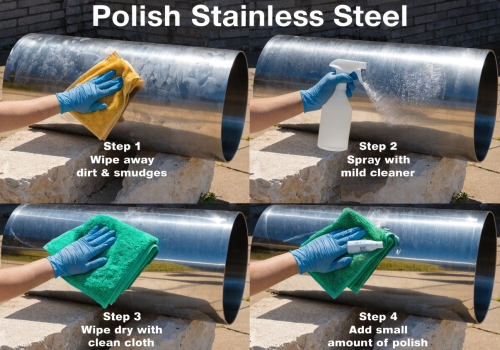
Many buyers in the construction industry face the same exact problem. They buy good pipes. The surface gets scratched during transport. Knowing how to polish stainless steel pipe step by step solves this big problem. First, you must clean the surface completely. Never polish a dirty pipe. Dirt will press into the metal. This causes deep rust later. Wash the pipe with warm water and dry it very well. Second, you start sanding. You must always sand in one direction. Do not polish against the original grain. This mistake makes ugly circle marks. Look at the scratch depth to pick your starting sandpaper.
| Scratch Type | Starting Sandpaper Grit |
|---|---|
| Heavy and deep | 240 to 320 |
| Medium and clear | 400 to 600 |
| Light haze and tiny marks | 800 to 1200 |
Finally, clean the pipe one last time. Use a safe stainless cleaner. At Centerway Steel, we always make sure our pipes leave the factory clean and protected. You should do the same on your job site.
You might ask about time. How often should you polish the pipe? It depends on your job site. Indoor pipes need polishing once every one or two years. Outdoor pipes in a city need care every six to twelve months. Coastal pipes need work every three to six months. Regular light care is always better than heavy repair later.
Picking the wrong polishing method hurts your pipe life. Your construction project might fail early. Compare the methods carefully so you can choose the best one for your needs. Mechanical polishing uses tools to make the surface shiny. It is cheap and good for normal buildings. Electropolishing uses chemicals and electricity to remove tiny bumps. It costs more money but offers the best protection against heavy rust and strong chemicals.
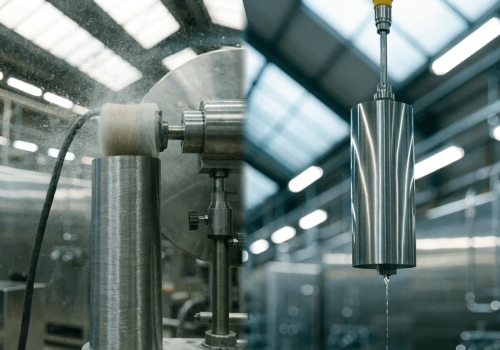
You are an EPC purchasing manager. You want to save costs. You also want top quality. You must know the difference between mechanical polishing and electropolishing. This choice directly affects your project budget and pipeline safety. Mechanical polishing is great for standard construction jobs. It improves the look. It gives decent rust resistance. It is also much cheaper. You can do it on your job site with basic tools. Electropolishing is a factory industrial process. You cannot do it easily on a normal job site. It puts the pipe in a chemical bath with electric current. This process pulls away microscopic metal peaks. It leaves a super clean surface. It also brings more chromium to the top. Chromium is the magic element that stops rust. Let us look at a quick comparison:
| Feature | Mechanical Polishing | Electropolishing |
|---|---|---|
| Surface Smoothness | Good | Excellent |
| Rust Resistance | Improved | Strongly Improved |
| Project Cost | Lower | Higher |
| Best Application | Buildings, handrails, decoration | Food, chemical, marine pipelines |
The steel grade also matters a lot here. Grade 304 is very common. It is easy to polish. Grade 316L offers better rust protection. It also takes a bright polish very well. Grade 2205 is harder. It takes more time to shine. Sometimes, polishing is not enough at all. Your pipe might have deep rust holes. The metal wall might be too thin. You must replace the pipe in these bad cases.
Proper cleaning, right tools, and correct sanding direction ensure a perfect shine. Learning how to polish stainless steel pipe protects your project quality and extends the total pipeline service life.