
 language
 English
 Español
 بالعربية
News
Pragmatism, Integrity, Passion

Pragmatism, Integrity, Passion
Are you struggling with pipe bursts in your projects? Choosing the wrong pressure limit causes disaster. I will show you how to find the right rating easily. The pressure rating for stainless steel pipe typically ranges from 10 MPa to over 100 MPa. We classify these limits into low, medium, and high-pressure grades. You must choose the right rating based on your fluid type and system demands to ensure total safety.
You might think any strong pipe will work for your system. But ignoring the exact pressure limits will lead to huge safety risks and wasted money. Let us look closer at how these ratings work.
Do you feel confused by all the different megapascal numbers? Mixing them up ruins your pipeline design. I will explain the basic pressure categories clearly right now. We divide the pressure rating for stainless steel pipe into three main groups. Low pressure is below 10 MPa. Medium pressure is between 10 MPa and 100 MPa. High pressure means 100 MPa and above. This simple grouping helps buyers pick the exact material.
I have worked with many EPC purchasing managers over my 18 years in the construction industry. Often, buyers buy pipes that are too strong. This wastes the project budget. Sometimes, they buy pipes that are too weak. This causes dangerous fluid leaks. We must look at the exact numbers to make smart choices. A good supplier will always ask about your working pressure first. Let us break down the common pressure capabilities.
You design a fluid transportation system. You must use specific grades. Here is a simple guide.
| Pressure Grade | Pressure Bearing Capacity | Common Application |
|---|---|---|
| Low Pressure | Below 10 MPa | Basic water lines, low-risk fluids |
| Medium-Low | 10 MPa to 20 MPa | Standard chemical processing |
| Medium | 30 MPa to 60 MPa | Petroleum refineries, power plants |
| High Pressure | 100 MPa and above | Deep oil exploration, heavy industry |
You save money when you match the rating to the job. At Centerway Steel, we see clients overspend by 30 percent. They pick high-pressure pipes for low-pressure jobs. You need to read your system plans carefully. Match your fluid type and risk level to the chart above. This method keeps your work site safe. This method also keeps your budget balanced. We always help our clients check their actual pressure needs.
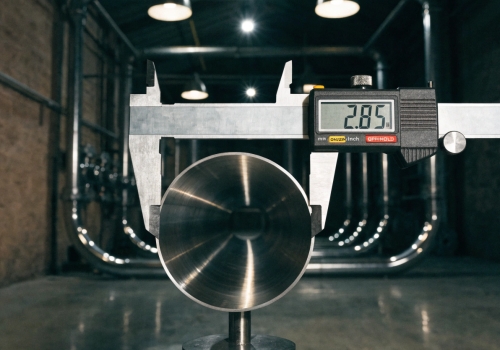
Are your large pipes failing under normal pressure? You might forget that physical size changes metal strength. I will show you how diameter and thickness change everything. The physical size of the tube directly controls its strength. Smaller diameters and thicker walls give a higher pressure rating. Larger diameters with thin walls can hold much less pressure. You must balance the outer diameter and wall thickness to meet your target megapascal limits.
Many buyers think a bigger pipe is always stronger. This is a very dangerous mistake. I remember an old EPC client. He bought large pipes for a high-pressure gas line. He did not check the wall thickness. The pipes almost burst during the first water test. We must understand the relationship between size and pressure. Let us look at how these two physical factors work together.
The rule is very simple. The outer diameter gets bigger. The pipe stretches more under inner pressure. To keep the same pressure rating, a larger pipe needs a much thicker wall.
| Pipe Diameter | Wall Thickness | Resulting Pressure Rating |
|---|---|---|
| Small (e.g., 1 inch) | Thin | Medium |
| Small (e.g., 1 inch) | Thick | Very High |
| Large (e.g., 24 inch) | Thin | Very Low |
| Large (e.g., 24 inch) | Thick | Medium to High |
You cannot guess these thickness numbers. You must calculate them. Engineers use formulas to find the exact wall thickness needed. You send an inquiry to us at Centerway Steel. You must tell us both the diameter and the working pressure. We will find the correct wall thickness for you. This step stops accidents before they happen. We provide exact tables for every pipe size.
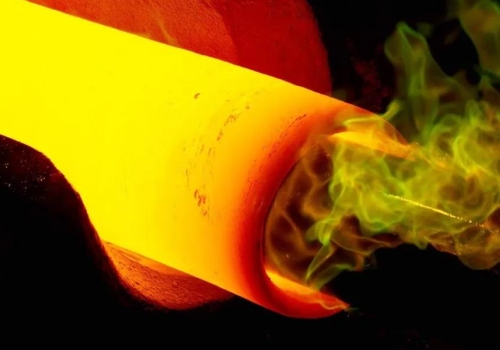
Do your pipes corrode or crack early? Bad manufacturing causes weak points in the metal. I will explain how the right production steps build maximum strength. Seamless production creates the strongest pipes. Processes like hot rolling, cold drawing, and heat treatment remove weak spots. A solid seamless body offers a much higher and more reliable pressure rating than a welded seam. You need these extra steps for extreme environments.
You cannot see poor manufacturing from the outside. A cheap pipe looks exactly like a good pipe. But you apply high pressure. Then the cheap pipe fails. I always tell my EPC partners to look closely at the factory process. The way we make the pipe changes its internal structure. Let us break down the key steps that add strength to the metal.
We make seamless pipes from one solid block of steel. We pierce a hole through the hot metal. There is no welding line at all. A welding line is always a weak point. There is no seam in our pipes. This makes the pressure capacity go up greatly.
Here are the manufacturing steps that guarantee safety:
| Production Step | Purpose for Pressure Rating |
|---|---|
| Material Selection | Good raw steel stops early cracking |
| Piercing & Rolling | Forms a solid wall without any seams |
| Heat Treatment | Makes the metal tough and relieves stress |
| Quality Testing | Finds hidden flaws before shipping |
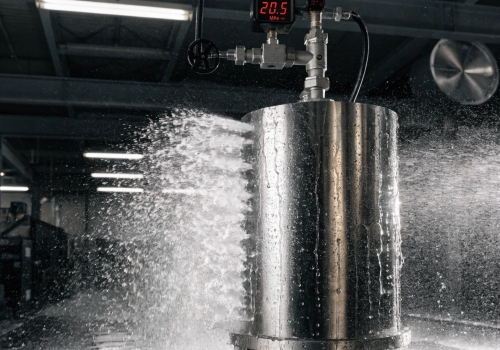
You must ask your supplier for their test reports. Good testing proves the pipe can hold the pressure. We do strict tests on every single batch. We use hydrostatic water pressure tests. This guarantees the pipe survives in oil, gas, and power plant systems. Do not risk your project with poorly made materials.
Choosing the correct pressure rating for stainless steel pipe keeps your projects safe and cost-effective. You must always match your pipe size, pressure grade, and manufacturing quality to your exact system needs.