
 language
 English
 Español
 بالعربية
News
Pragmatism, Integrity, Passion

Pragmatism, Integrity, Passion
Are project delays and pipe failures costing you money? Bad materials ruin good plans. I will show you how to pick the right tubes to stop these costly problems forever. A high performance stainless steel welded tube offers superior corrosion resistance, high tensile strength, and leak-proof weld seams. You need to check the material grade, weld integrity, and finish to ensure it meets your heavy-duty project needs and budget.
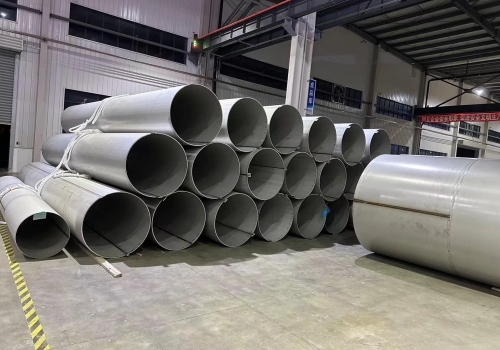
Finding the right material is a big challenge for any buyer. We will break down the exact steps you need to take right now to secure the best pipeline products for your next big job.
Do weak pipes burst under pressure? This causes huge safety risks and expensive downtime. You must understand the core properties of these tubes to prevent catastrophic system failures. The core properties include excellent corrosion resistance, high mechanical strength, and perfect weldability. A high performance stainless steel welded tube uses premium grades like 304 or 316. These grades handle harsh chemicals and extreme temperatures without losing their structural shape.
I have bought steel pipes for 18 years. I know that raw material quality is everything. You cannot compromise on the steel grade. Grade 304 provides basic protection against rust. It works well for standard water systems. Grade 316 adds molybdenum. This extra element fights off severe chloride corrosion. I always use 316 for coastal or chemical projects.
Your project needs tubes that hold heavy loads. The tensile strength of the tube stops it from bending or breaking. Good tubes handle high internal pressure. We must match the wall thickness to the specific project pressure. If you buy a tube that is too thin, it will burst.
Here is a simple table to help you compare the basic features.
| Material Grade | Key Feature | Best Application | Cost Level |
|---|---|---|---|
| Grade 304 | Good rust resistance | Urban water networks | Medium |
| Grade 316 | High chemical resistance | Oil and gas plants | High |
| Grade 409 | High heat resistance | Automotive exhausts | Low |
Are you worried about hidden leaks? Bad welds cause silent leaks that destroy entire structures. You need to know how factories make and test these tubes to stay safe. The manufacturing process directly decides the tube's strength. Factories roll flat steel strips and weld the seams. Good factories use advanced welding methods and strict quality checks. This ensures the weld joint is just as strong as the rest of the tube.
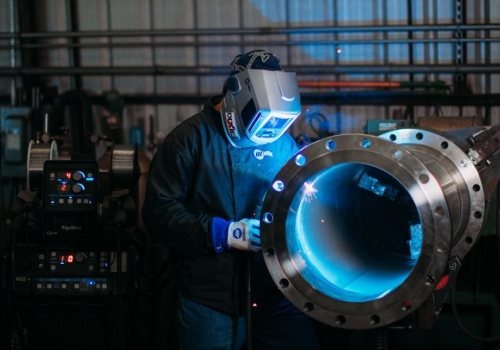
The weld seam is the weakest point of any tube. Poor welding techniques leave tiny holes. These holes grow under pressure. I always ask the supplier about their welding method. TIG (Tungsten Inert Gas) welding is very popular. It makes a clean and strong seam. High-frequency welding is faster but sometimes less reliable for high-pressure jobs.
You cannot trust a tube just by looking at it. The factory must test the tube. I require suppliers to do Eddy Current testing or X-ray inspections. These tests find hidden cracks inside the weld. We see how strict testing stops field failures entirely.
Look at this table to understand what can go wrong during manufacturing.
| Defect Name | Cause | Result |
|---|---|---|
| Incomplete Penetration | Heat is too low | Weak joint breaks easily |
| Porosity | Gas gets trapped in the weld | Small holes cause leaks |
| Undercut | Speed is too fast | Thin edges reduce strength |
Do you pick the wrong pipe for a tough job? Using the wrong pipe causes rapid rusting. You need to match the tube to its exact industry application. You will find these tubes in the oil and gas, food processing, and construction industries. They handle high-pressure fluids and resist harsh environmental damage. Their smooth finish also stops bacteria growth, which makes them perfect for clean food and water systems.
I work for an EPC company. We build large energy projects. Oil and gas environments are very harsh. We need a high performance stainless steel welded tube for these jobs. The tubes move dangerous fluids over long distances. They must survive extreme heat and cold. They must not corrode from the salty air or sour gas.
Food safety is a big deal. Food factories use stainless steel tubes to move milk, juice, and beer. The smooth inner surface is very important. A rough surface traps food and grows bacteria. The tubes must tolerate strong cleaning chemicals every day.
Here is a guide showing where these tubes fit best.
| Industry | Main Challenge | Tube Requirement |
|---|---|---|
| Oil & Gas | High pressure and salt | High thickness, 316 grade |
| Food Processing | Bacteria and daily washing | Polished finish, sanitary grade |
| Construction | Heavy loads and weather | High tensile strength, 304 grade |
Are cheap suppliers giving you bad products? Cheap prices usually mean terrible quality and missed deadlines. You need a reliable one-stop supplier to keep your project on track. To choose the best supplier, you must check their production capacity, quality certifications, and past project experience. A reliable supplier provides one-stop service, fast delivery, and strict quality control. They should hold ISO and CE certificates to prove their global standard compliance.
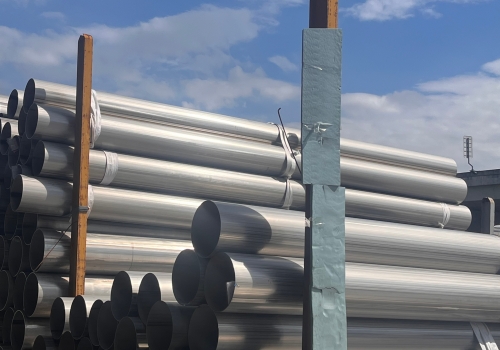
I have dealt with many suppliers over my 18 years in construction. The first thing I ask for is their certification. A good factory must have ISO 9001 and ISO 14001. If they sell to Europe, they need CE marks. These papers prove that the factory follows strict rules. Centerway Steel holds all these major certificates.
Buying pipes from one factory and valves from another factory is a nightmare. It wastes my time. I prefer a one-stop integrated sourcing supplier. This means the supplier makes the tubes, the fittings, and the valves. This keeps the quality the same across the whole pipeline.
I use this simple table to score new suppliers.
| Evaluation Area | What to Look For | Why It Matters |
|---|---|---|
| Certifications | ISO, CE, SGS reports | Guarantees quality standards |
| Product Range | Tubes, fittings, valves | Saves purchasing time |
| Global Experience | Past Fortune 500 clients | Proves reliability and scale |
I recommend you use this checklist. It will help you find a strong partner for your next construction project.
Choosing the right high performance stainless steel welded tube ensures your project's safety and success. Always check material grades, weld quality, and partner with a certified, reliable supplier.