
 language
 English
 Español
 بالعربية
News
Pragmatism, Integrity, Passion

Pragmatism, Integrity, Passion
Do piping failures delay your construction projects? Broken pipes cost time and money. I will show you how to find reliable tubes to keep your work on track. You should select an easy to maintain thick wall stainless steel tube based on outside diameter and wall thickness. These tubes offer high strength and resist rust. You can pick grade 304 for general use or grade 316 for harsh places to save money over time.
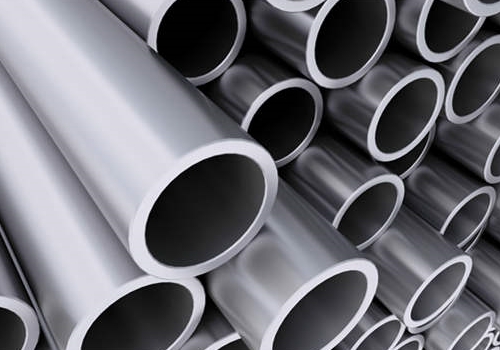
I remember a time when a bad batch of tubes ruined our whole project schedule. We had to stop work and wait for new parts. You do not want this to happen to your team. Let us look at how you can avoid these costly mistakes.
Do you mix up pipes and tubes? Picking the wrong one causes leaks and weak frames. Let us clear up this confusion right now. Pipes transport liquids and gases. We measure pipes by inside diameter. Tubes support structures and machines. We measure tubes by outside diameter and wall thickness. You need tubes when your project requires exact sizes and high strength to hold heavy loads.
I often see buyers buy pipes when they really need tubes. This mistake wastes money. Pipes are always round. They move water, gas, or oil. Their inside space matters most. Tubes can be round, square, or rectangular. Their outside size and wall thickness matter most. You must know your exact need before you buy.
You use pipes for large flow systems. You use tubes for exact structural work. A good easy to maintain thick wall stainless steel tube works best for heavy building frames. It gives strong support and needs little care. I learned this when I helped a large EPC company fix a weak building frame. We replaced thin pipes with thick wall tubes. The frame became very strong.
Here is a simple table to help you choose.
| Feature | Stainless Steel Pipe | Stainless Steel Tube |
|---|---|---|
| Main Use | Move fluids and gases | Support structures and frames |
| Shape | Always round | Round, square, or rectangular |
| Measurement | Inside diameter (NPS) | Exact outside diameter |
| Strength | Built for inner pressure | Built for outside heavy loads |
Are you worried about weak tubes breaking under pressure? Poorly made tubes will ruin your work. I will explain how good factories make strong tubes. Factories make tubes using tube mills, seamless extrusion, or cold drawing. They roll and weld steel coils or pull hot steel to make seamless tubes. Then they clean, heat, and test the tubes. This process makes the tubes strong, exact in size, and safe to use.
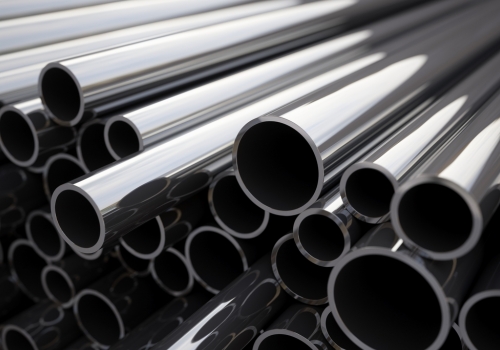
Factories take large steel coils and roll them into a tube shape. Then they weld the edges together. They clean the weld so it is smooth. I once visited a factory that skipped the cleaning step. Their tubes rusted very fast. Good factories always clean and heat the tubes. This heat treatment takes away stress in the metal.
Sometimes you need a tube with no weld lines. Factories use seamless extrusion for this. They take a hot piece of steel and push a hole through it. This makes a very strong easy to maintain thick wall stainless steel tube. We often supply these seamless tubes to big oil projects. They handle very high pressure without breaking.
Every good tube must pass tests. Factories push water into the tube to check for leaks. This is the hydro test. It ensures the metal has no weak spots.
| Production Method | Best Used For | Key Benefit |
|---|---|---|
| Welded Tubing | General building frames | Lower cost, fast to make |
| Seamless Extrusion | High pressure jobs | No weak weld lines |
| Cold Drawing | Exact small sizes | Very smooth surface |
Does rust destroy your outdoor projects? Using the wrong steel grade leads to fast decay. Let us find the right steel grade to stop rust completely. You should use grade 304 for normal indoor or clean outdoor projects. It resists rust well. You must use grade 316 for harsh places like coastal areas or chemical plants. Grade 316 has extra elements that stop salt and acid from eating the metal.
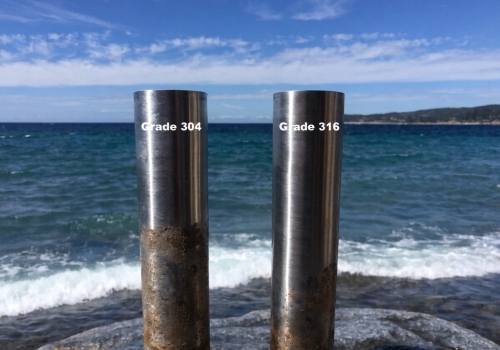
Grade 304 is the most common stainless steel. It has chromium and nickel. These parts stop normal rust. I always suggest grade 304 for food plants and basic building frames. It is strong and costs less. But it does not like salt. If you put it near the sea, it will rust over time.
When my clients build near the ocean, I tell them to buy grade 316. Grade 316 has molybdenum. This extra part fights salt and strong chemicals. It costs more at first. But it lasts much longer. It is the perfect choice when you want an easy to maintain thick wall stainless steel tube for very bad weather.
You must look at your job site before you buy. Think about the water, the salt, and the heat.
| Steel Grade | Best Environment | Main Advantage |
|---|---|---|
| Grade 304 | Indoors, normal outdoors | Good price, easy to find |
| Grade 316 | Marine, chemical plants | High rust fight, lasts longer |
| Grade 304L / 316L | Welding heavy jobs | Stops heat damage at welds |
You can build strong, lasting projects when you pick the right sizes, making methods, and steel grades. Always match the tube to your true project needs to save money.