
 language
 English
 Español
 بالعربية
News
Pragmatism, Integrity, Passion

Pragmatism, Integrity, Passion
Are you struggling with weld failures? Bad welds waste time and ruin expensive pipes. I can help you fix this with the right stainless steel pipe welding procedures. The best stainless steel pipe welding procedures require careful joint preparation. You must use low-carbon filler metals like ER308L. You must manage heat input to prevent rust. You also need to select proper shielding gases. Advanced techniques like Regulated Metal Deposition improve weld quality and speed.
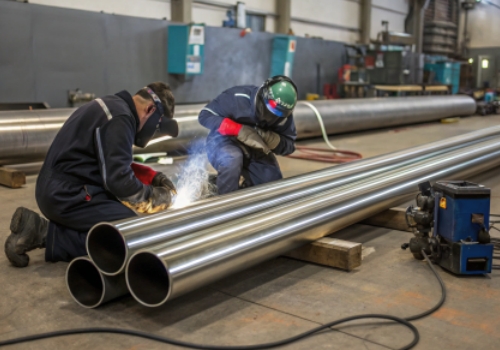
You might think welding stainless steel is easy. This wrong idea will cost you money and cause your pipes to rust quickly. Let me show you the exact steps you need to take to protect your pipelines.
Do your welded pipes rust? Wrong filler metals add too much carbon. This creates cracks. You must pick the right wire to keep the pipe safe from rust. You should select a low-carbon filler metal with an "L" designation, such as ER308L. These filler metals keep the carbon content low in your weld joint. This prevents rust. It also maintains the natural corrosion resistance of the stainless steel pipe.
I remember a project a few years ago. We used standard filler metal on a high-purity water line. The joints rusted within months. The client was very angry. We had to replace everything. I learned a hard lesson about carbon content. Heat changes the metal when you weld stainless steel. High carbon levels mix with chromium. They form chromium carbides. This process stops the chromium from making a protective layer. Your pipe will rust without that layer. You must control this by choosing the right filler metal. Avoid wires with an "H" designation. You only use those if you need high-temperature strength. Always look for low trace elements in the wire. Elements like sulfur and phosphorus ruin the weld quality.
| Filler Type | Carbon Content | Best Use Case | Risk Level |
|---|---|---|---|
| ER308L | Low (Under 0.03%) | Standard stainless steel pipe | Low risk of rust |
| Standard ER308 | Medium | General applications | Medium risk of rust |
| ER308H | High | High-heat environments | High risk in standard pipes |
Do you have big gaps in your joints? Big gaps require more heat to fill, which destroys the metal. You need tight joints to keep your process fast. Proper fit-up controls heat input. The welding torch moves faster when pipe joints fit tightly together. This prevents heat buildup. You must also clean the joint with a dedicated stainless steel brush to remove dirt before you start welding.
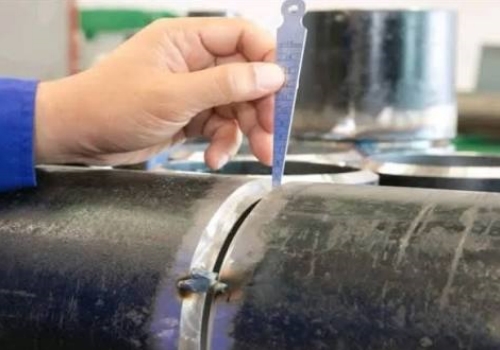
I saw many welders try to bridge wide gaps in my early days in the industry. They kept the torch in one place for too long. The metal turned dark blue and black. The pipes failed the pressure test. Stainless steel does not spread heat well. It holds the heat in one spot. You must use more filler metal when you have uneven gaps. You must apply more heat to melt that extra metal. This extra heat destroys the strength of the pipe. It also ruins the ability of the pipe to fight rust.
You must treat preparation as the most important step. A good weld starts before you even turn on the machine.
| Preparation Step | Action Required | Reason |
|---|---|---|
| Cutting | Make straight, clean cuts | Prevents uneven gaps |
| Fitting | Align edges perfectly | Allows fast torch movement |
| Cleaning | Use a new wire brush | Stops dirt from entering the weld |
Does your metal turn black and fail? Overheating destroys stainless steel and causes sudden corrosion called sensitization. You need to control your temperatures to protect the pipe. You prevent sensitization by limiting the heat input and using low-carbon filler metals. You must minimize the time the heat-affected zone stays between 500 and 800 degrees Celsius. Always check your interpass temperatures to stop the metal from losing its protective layer.
Sensitization is the biggest enemy of stainless steel. Let me explain what happens. Stainless steel stays clean because it has chromium oxide. The carbon and chromium lock together when the metal gets too hot for too long. They form chromium carbides. Now, the chromium cannot protect the pipe. Rust starts immediately. I always tell my production team to watch their speed. They pump too much heat into the joint if they move too slowly.
You must move fast. You must also let the metal cool down between passes. We call this checking the interpass temperature.
| Temperature Zone | Effect on Stainless Steel | Action to Take |
|---|---|---|
| Below 500°C | Safe zone for metal structure | Continue normal welding |
| 500°C to 800°C | High risk of sensitization | Minimize time in this range |
| Above 800°C | Extreme risk of metal damage | Stop and let the pipe cool |
Are your welds porous and weak? Bad gas mixtures add carbon back into the metal. You must use the correct gas to shield the liquid metal perfectly. Shielding gas protects the weld from the air. You should use mixtures of argon with very small amounts of carbon dioxide for wire welding. You must avoid high carbon dioxide levels because they add carbon to the weld and cause rust.
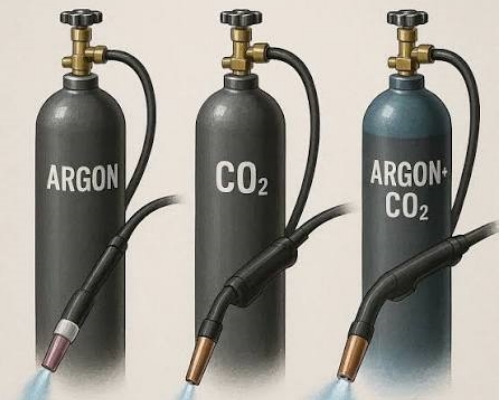
Everyone used gas tungsten arc welding (GTAW) for the first pass on a pipe for many years. We always used argon gas inside the pipe to stop oxidation. We call this a back purge. It takes a long time to set up. Many companies use gas metal arc welding (GMAW) today. This wire process is much faster. But the gas choice becomes very important. That carbon goes straight into your weld pool if you use too much carbon dioxide in your mix. I have seen perfect fit-ups ruined by cheap gas mixtures.
We now use processes like Regulated Metal Deposition (RMD). This is a smart short-circuit process. It creates a very calm arc.
| Welding Process | Gas Requirement | Production Speed | Back Purge Needed? |
|---|---|---|---|
| Traditional GTAW | 100% Argon | Slow | Yes |
| Standard GMAW | Argon/CO2 Mix | Fast | Yes |
| Advanced RMD | Argon Mix | Very Fast | No (in many cases) |
Do you still have questions? Welding rules can feel confusing and overwhelming. Let me answer the most common questions I get from buyers and engineers. This FAQ section provides quick answers to common issues regarding stainless steel pipe welding procedures. It covers gas choices, cleaning methods, and filler wire selection. Read these answers to solve your immediate welding problems and improve your daily pipeline project results.
Buyers ask me the same questions over my 18 years of working with pipes. Here are the direct answers to help you.
Q: Do I always need to back purge a stainless steel pipe?
A: Yes, if you use traditional TIG (GTAW) welding. You must back purge to stop the inside of the weld from burning and rusting. But you can often skip the back purge if you use advanced processes like RMD.
Q: Can I use pure argon gas for GMAW (MIG) welding on stainless steel?
A: No, pure argon is bad for standard wire welding on stainless pipes. It makes the arc unstable. You usually need a mix of argon with a tiny bit of CO2 or oxygen to keep the arc smooth.
Q: Why does my stainless steel weld look black and crusty?
A: This means you used too much heat. It can also mean you lost your shielding gas coverage. The metal oxidized. You must lower your heat input. You must move the torch faster. You also need to check your gas flow.
Q: Can I clean my stainless pipe with my regular steel brush?
A: No. A regular steel brush leaves iron dust on the stainless pipe. That iron dust will rust very quickly. Always buy a new brush. Use it only for stainless steel.
Using the correct stainless steel pipe welding procedures saves you time and prevents pipe failures. Control your heat, pick the right wire, and ensure perfect joint fit-up every time.