
 language
 English
 Español
 بالعربية
News
Pragmatism, Integrity, Passion

Pragmatism, Integrity, Passion
Petrochemical leaks are highly dangerous. Extreme temperatures and intense pressure cause standard pipes to fail quickly. You need a safe and leak-free solution to protect your industrial systems. High pressure stainless steel tubing provides superior strength and corrosion resistance for extreme environments. It handles pressure up to 60,000 psig. This tubing uses fewer connections than traditional pipes. This greatly reduces potential leak points in critical petrochemical applications.
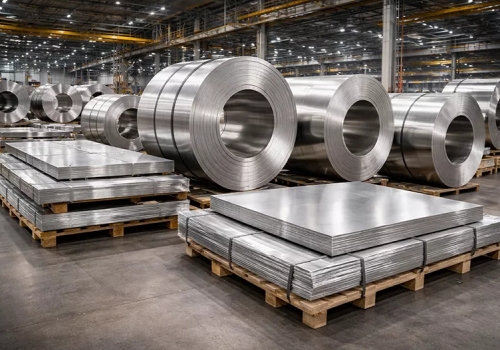
Traditional carbon steel pipes often struggle in harsh chemical setups. You might wonder if upgrading your system is worth the extra investment. Let us explore the real differences.
Every extra connection is a huge risk. Fittings loosen over time. Tubing bends easily. This cuts down on weak spots and keeps your fluids secure. High pressure stainless steel tubing bends easily around corners without extra fittings. This reduces connection points. It prevents dangerous leaks and lowers installation costs. Stainless steel also fights off acidic chemicals far better than standard carbon steel pipes.
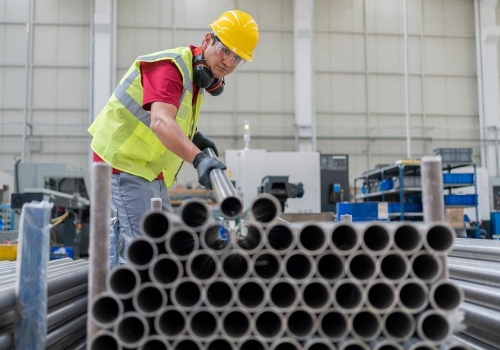
I have seen many projects fail because designers chose the wrong materials. In the petrochemical industry, basic organic chemicals are not the only problem. You also deal with highly acidic and basic minerals. When these harsh chemicals touch carbon steel, corrosion starts fast. The metal weakens over time. Eventually, the system fails. High pressure stainless steel tubing solves this major issue. It relies on strong materials like grade 316 and 316L. These materials resist harsh corrosion. Recently, I supplied a major pipeline network project in Turkey. The local team faced severe leak issues with their old piping setup. The old system had too many joints. We replaced their rigid pipes with our high pressure stainless steel tubing. The flexible nature of the tubes allowed the construction team to navigate tight corners. They did not need to weld new fittings. This simple change eliminated 40% of their potential leak points. The project in Turkey became a huge success. They saved money on daily maintenance and improved site safety. Here is a quick comparison to help you understand the differences:
| Feature | Traditional Carbon Steel Piping | High Pressure Stainless Steel Tubing |
|---|---|---|
| Connection Points | High (requires many fittings) | Low (easily bendable) |
| Leak Risk | High | Very Low |
| Corrosion Resistance | Low | High (316/316L material) |
| Maximum Pressure | Standard | Up to 60,000 psig |
Thin-walled tubes are hard to weld. Hand welding often warps the metal. Orbital welding fixes this exact issue by automating the heat and protecting the tube. Orbital welding automates the connection of high pressure stainless steel tubing. This process prevents uneven heating and warping. It creates clean and consistent welds. This guarantees the tubing keeps its total strength and integrity under extreme pressure conditions.
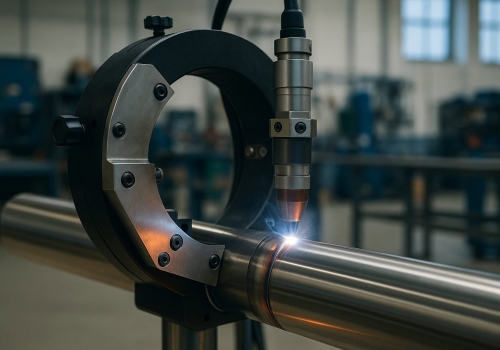
When you need absolute reliability from a tubing system, welded tubes are the best choice. But welding small diameter and thin-walled tubes is a very hard task. A single mistake with the welding heat can damage the whole tubing system. Thin walls burn through quickly. Small heat fluctuations distort the metal. Stainless steel has low thermal conductivity. This means the heat stays in one spot and causes the tube to warp. We solve this problem through automated orbital welding. This method is also known as gas tungsten arc welding. It shields the hot weld from outside dirt. The automated machine applies steady and even heat. This completely prevents warping. Our production teams at Centerway Steel use these advanced methods daily. We handle tubes that must withstand up to 60,000 psig. Our ISO 9001 and CE certifications prove our strong quality. We make sure every weld is perfect. Manual welding also exposes workers to harmful chemical fumes. Automated welding keeps our operators safe while delivering a flawless product for your high-pressure needs.
You might still have concerns about material specs. Choosing the right tube size and grade is hard. Here are simple answers to your most common questions. Selecting the right high pressure stainless steel tubing depends on your pressure needs, chemical exposure, and temperature limits. Knowing these exact factors helps you avoid costly system failures. It ensures long-term safety in your daily pipeline operations.
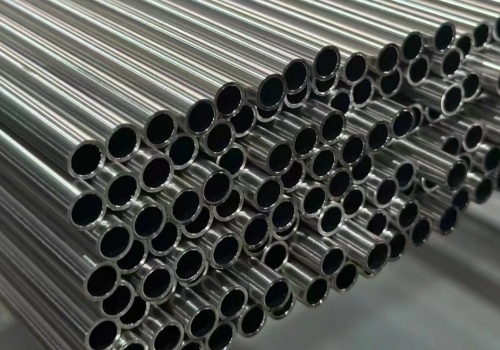
Many purchasing managers ask me similar questions when they source materials for big pipeline projects. I want to share the most common questions and give you clear answers.
Q: What grades of stainless steel are best for high-pressure applications?
A: The most common grades are 316 and 316L. They offer excellent corrosion resistance against acidic chemicals. We also provide specialized alloys if your project demands higher performance.
Q: Can I use standard fittings for high-pressure tubing?
A: No. You must use specialized high-pressure fittings or automated orbital welding. Standard fittings will easily leak or blow out under extreme pressure.
Q: How do you pack and ship the tubing to prevent damage?
A: At Centerway Steel, we pack our tubes in strong wooden cases. We also cap the ends securely. This prevents scratches and internal dirt during transit. We have shipped to over 100 countries, including our major partners in Turkey, without any damage issues.
Q: Does the tubing meet international testing standards?
A: Yes. All our high pressure stainless steel tubing follows strict ASME standards. Third-party groups like SGS and BV inspect our products regularly to guarantee top quality.
High pressure stainless steel tubing ensures safe, leak-free, and long-lasting operations. Upgrading your materials cuts maintenance costs and protects your critical pipeline systems from dangerous chemical failures.