
 language
 English
 Español
 بالعربية
News
Pragmatism, Integrity, Passion

Pragmatism, Integrity, Passion
Many project managers believe stainless steel is indestructible, but neglect leads to ugly rust and structural failure. This damage costs time and money to fix. A proper care plan prevents these expensive issues. Stainless steel maintenance is the process of preserving the protective chromium oxide layer on pipes and fittings. It involves regular cleaning with warm water, removing contaminants like salt or grease, and applying passivation treatments. This ensures your industrial equipment remains corrosion-resistant and durable for decades.
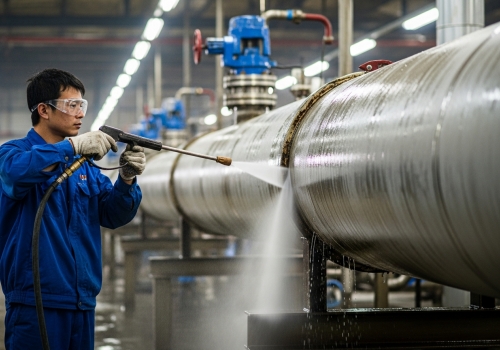
If you think buying high-quality steel is the end of your responsibility, you might face problems later. The environment attacks metal every day. However, keeping your pipeline systems in top shape is easier than you think. I will share the exact methods we recommend to our global partners.
Ignoring the installation environment causes rapid corrosion. This mistake forces your team to do constant repairs. Smart design choices right at the start save you trouble later. The best way to reduce work is to plan for it. You must ground dissimilar metals to stop electrolysis and apply treatments like passivation immediately after installation to remove factory residue.
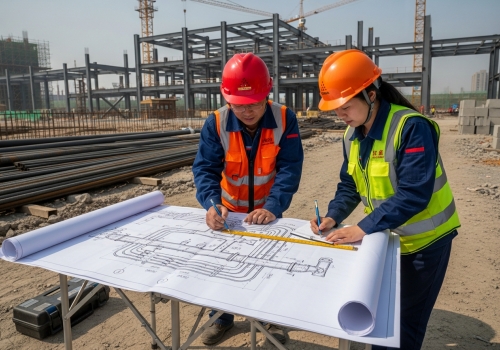
When I work with EPC companies, I always tell them that stainless steel maintenance starts on the drawing board. It is not just about cleaning later; it is about design now. First, you must think about electrolysis. In wet environments, if stainless steel touches a different metal without grounding, it creates a battery effect. This destroys the metal quickly. You can avoid this by using insulating gaskets or planning the layout carefully. This simple step reduces the need for frequent inspections of bolts and joints. Second, consider the surface treatment immediately after you install the pipes. We often suggest a passivation treatment. This removes "free iron" left from manufacturing or handling. If you do not remove this iron, it will rust on the surface. Adding a wax paste after passivation creates a strong barrier. Finally, think about drainage. If you design your system so water drains away naturally, you make cleaning much faster. Workers can simply hose down the area without buckets. This low-effort design is crucial for large chemical or food processing plants where hygiene is priority.
Dirt and chemicals build up on pipes over time. This makes your facility look unprofessional and invites corrosion. You need a clear cleaning schedule to stop this. For most situations, warm water and mild soap are the best tools. However, specific problems like grease, rust, or lime need chemical solutions to restore the steel's shine without damage.
In my 18 years of experience supplying pipes, I have seen many people ruin the finish by using the wrong tools. The goal of stainless steel maintenance is to clean the surface without scratching the protective layer. You should never use steel wool or harsh scrubbers. These leave small iron particles behind, which will rust and make the pipe look terrible. Instead, use soft cloths or sponges. Different stains require different approaches. If you are dealing with simple dust, water is enough. But for industrial oil or welding marks, you need stronger agents. I have compiled a table based on what we recommend to our clients in the oil and gas sectors.
| Problem | Recommended Cleaning Method |
|---|---|
| Daily Dirt | Plenty of warm water and mild soap or detergent. |
| Fingerprints | Organic solvents like alcohol or acetone, followed by soapy water. |
| Lime / Water Spots | A mixture of one part vinegar to three parts warm water. |
| Oil and Grease | Acetone or methylated spirits. Ammonia helps with baked-on grease. |
| Rust Stains | Nitric acid diluted with water (1:9 ratio). Rinse thoroughly. |
| Welding Marks | Pickling pastes or specific acid blends designed for heat tints. |
| Scratches | Polish with a "soft abrasive" cleaner, moving with the grain. |
Industrial cleaners are dangerous if handled poorly. Workers can get hurt by fumes or chemical burns. You must prioritize safety gear and proper procedures. Always wear goggles and gloves when handling acids or solvents. You must ensure the area has good airflow and remember the golden rule: add acid to water, never water to acid. Heavy cleaning often involves strong acids like nitric acid. This is serious business. As a supplier, I care about the safety of the people maintaining our products. When you perform stainless steel maintenance with these chemicals, you must consult the Material Safety Data Sheet (MSDS) for every product. This document tells you exactly what protective gear (PPE) is necessary. Usually, this means heavy rubber gloves, face shields, and sometimes respiratory protection. Ventilation is another critical factor. If you are cleaning a tank or a pipe in a confined space, the fumes can become toxic very fast. You must have fans or open windows to keep fresh air moving. Furthermore, there is a specific chemical rule you must follow: never pour water into a container of acid. This can cause an explosive reaction where the acid splashes out on you. Instead, you slowly pour the acid into a bucket of water. This dissipates the heat safely. Finally, always spot-test a new cleaner. Apply it to a small area that people cannot see easily. Wait and see if it changes the color or finish of the steel. If it looks good, you can proceed with the rest of the equipment. These precautions protect your workers and your investment.
To ensure your stainless steel projects last for decades, you must plan for drainage, use the correct cleaning agents for specific stains, and always prioritize worker safety during maintenance.