
 language
 English
 Español
 بالعربية
News
Pragmatism, Integrity, Passion

Pragmatism, Integrity, Passion
Are your current pipes failing under pressure? Leaks and replacements waste your project budget. A schedule 40 stainless steel pipe offers the exact strength and thickness you need. A schedule 40 stainless steel pipe is a standard pipe with a fixed outer diameter and medium wall thickness. It is often marked as Schedule 40S under the ASME B36.19 standard. It uses common materials like 304 or 316. It handles moderate pressure well for gas, water, and chemical pipelines.
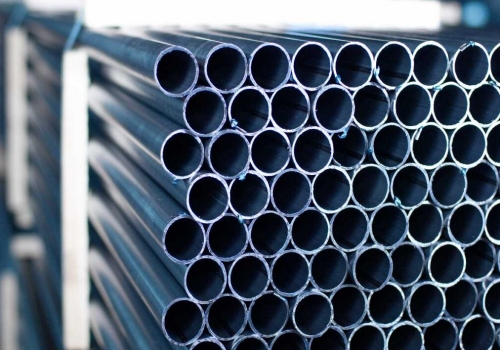
You might think all steel pipes are the same. But choosing the wrong specifications will ruin your entire pipeline system.
Guessing pipe sizes leads to major construction errors. Mismatched parts delay your whole timeline. You must know the exact nominal pipe size, outer diameter, and wall thickness. The dimensions of a schedule 40 stainless steel pipe follow standard rules. The outer diameter stays the same across different schedules. Schedule 40 matches standard (STD) wall thickness for pipes NPS 12 and below. A 2-inch NPS pipe has a 2.375-inch outer diameter.
I work as an EPC purchasing manager. I look at pipe charts every day. I know a simple truth. You must pick the right wall thickness to stop project delays. The Schedule (SCH) tells us the wall thickness grade. A bigger number means a thicker wall. Schedule 40 gives you a medium wall thickness. It sits right between the thinner Schedule 10 and the thicker Schedule 80. You must match the Nominal Pipe Size (NPS) with the true outer diameter. They are not always the same number. For example, an NPS 1 pipe does not have a 1-inch outer diameter. Its outer diameter is 1.315 inches. We can look at a simple table to show common dimensions for a schedule 40 stainless steel pipe:
| Nominal Pipe Size (NPS) | Outer Diameter (inch) | Wall Thickness (inch) | Weight (lb/ft) |
|---|---|---|---|
| 1 | 1.315 | 0.133 | 1.68 |
| 2 | 2.375 | 0.154 | 3.65 |
| 4 | 4.500 | 0.237 | 10.79 |
| 6 | 6.625 | 0.280 | 18.97 |
You will often see "40S" in our stainless steel pipe system. The "S" stands for stainless steel. It follows the ASME B36.19 standard. It keeps the exact same thickness standard as Schedule 40 for carbon steel. This makes it very easy to mix and match parts. You can build your pipeline network faster. We always check these numbers twice before we send pipes to our global customers.
Using the wrong steel grade ruins your pipes fast. Rust and heat damage cause dangerous accidents. Choosing the correct material standard keeps your pipeline safe and working long-term. The most common materials for a schedule 40 stainless steel pipe are 304 and 316. These pipes follow strict execution rules. They include ASTM A312 for general use. They also include ASTM A358 for high heat. ASME B36.19M sets the rules for their sizes.
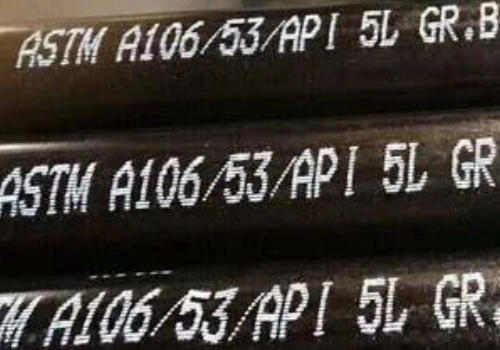
You cannot just buy any shiny pipe. The chemicals inside the steel change everything. I have 18 years of experience in the construction industry. I have seen bad metal cause huge leaks. We must break down the exact materials and standards. Good pipes follow global rules. We are Centerway Steel. We make sure our products pass these tests.
· ASTM A358 / A358M: We use this rule for high heat areas. It covers special grades like 321 and 347.
· ASME B36.19M: This rule clearly sets the dimensions for 5S, 10S, 40S, and 80S pipes.
Different projects need different metals. Here is a breakdown of the materials we supply:
| Material Grade | Key Elements | Best Features |
|---|---|---|
| 304 | 18% Cr, 8% Ni | Good basic rust resistance. Very cheap to buy. |
| 316 | 16% Cr, 10% Ni, 2% Mo | Great resistance to pitting. Best for salty areas. |
| 321 | Added Titanium | Very stable metal. Best for high heat working conditions. |
Weak pipes break under pressure. Heavy pipes cost too much to install. A schedule 40 stainless steel pipe gives you the best mix of strength, cost, and easy installation. This pipe stops rust very well. It works great in wet or chemical areas. It handles medium pressure safely. It is much stronger than Schedule 10. It is also very easy to weld and install. You can use it for water, gas, steam, and chemical pipelines.
Finding the right balance in your pipeline design is hard. You want a system that lasts 50 years. You also want to save money for your company. I always tell my engineers to look at the real benefits of the 40S series. Stainless steel does not rust easily. This is very important for wet areas. The 316 series works perfectly in salt water. It stops rust before it starts. This saves you money on repairs later.
A schedule 40 pipe has a medium wall thickness. It holds more pressure than Schedule 10. It weighs less than Schedule 80. This makes it perfect for medium pressure systems.
| Benefit Area | How It Helps Your Project |
|---|---|
| Installation | Easy to weld and install. You can choose seamless or welded types based on your budget. |
| Applications | Great for city water networks, oil refineries, and simple gas transport. |
| Quality | Meets ASTM A312 standards. You get reliable quality every single time. |
You can connect these pipes in many ways. You can weld them. You can use screw threads. You can use flanges. My team mostly uses welding for big pipelines. Welding keeps the system tight. It stops leaks forever.
Buying the wrong pipe causes system failures. Replacing broken pipes wastes time and money. You must check your project limits and pick the exact right material and size. First, check the nominal pipe size. You must match it to the right outer diameter and wall thickness. Next, pick a material grade like 304 or 316 based on your chemical environment. Finally, check your pressure and heat limits before you buy.

We work as a one-stop integrated supplier. We help clients avoid bad choices every day. You must ask yourself a few direct questions before you buy. You must know what flows inside the pipe. You must know what sits outside the pipe. You must think about the chemicals and the weather. The 304 grade is fine for simple water. You need the 316 grade for harsh chemicals.
How will you put the pipes together? Your choice changes your final cost.
· Welding: The best choice for strong and permanent fixes.
· Flange connection: Great for parts you might need to take apart later.
Every schedule 40 pipe has a safe pressure limit. You must match this limit to your daily working conditions.
| Check Point | Action Required |
|---|---|
| Pressure | If your system has very high pressure, you need a thicker Schedule 80 pipe instead. |
| Temperature | High heat needs special metals like 321 or 347. |
| Certification | Always ask for the third-party material report. Make sure it has ASTM A312 certification. |
We always give our global customers full test reports. This paper proves the pipe will hold up under heavy stress.
A schedule 40 stainless steel pipe balances thickness, strength, and cost perfectly. You must check exact sizes, materials, and pressure limits. This ensures a safe and long-lasting pipeline system.