
 language
 English
 Español
 بالعربية
News
Pragmatism, Integrity, Passion

Pragmatism, Integrity, Passion
You often struggle to find pipes that meet both aesthetic standards and durability requirements for your clients. Poor quality finishes lead to rapid corrosion and unhappy end-users in your projects. A polished stainless steel pipe is a tubular product treated with abrasives to remove surface defects and reduce roughness. It improves corrosion resistance, hygiene, and aesthetics. It is essential for food processing, pharmaceutical lines, and architectural structures requiring durability and low maintenance.

Finding the right materials is the first step in any successful engineering project. However, understanding the nuances of these materials is what separates a standard project from an exceptional one.
You might think all stainless steel shines the same way, but this is a misconception. Choosing the wrong grade causes fast corrosion in harsh environments, wasting your budget. Grades 304 and 316 are the industry standards for polishing. 304 offers cost-effective brightness for indoor architectural use, while 316 contains molybdenum for superior resistance in marine or chemical settings.
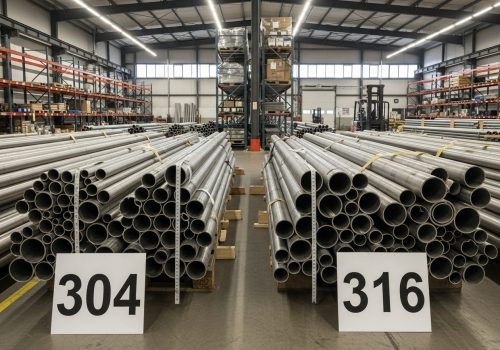
When I talk to purchasing managers like you, the first question is usually about cost versus performance. Understanding the grade is critical before we even touch a polishing machine. Stainless steel is an iron-based alloy, and it needs at least 10.5% chromium to be "stainless." For most polished stainless steel pipe orders, we focus on the 300 series. The 304/304L grade is the most versatile. It is easy to form and weld because it has high nickel content. I often recommend this for indoor handrails or furniture where the environment is controlled. It takes a polish very well and looks beautiful. However, if your project is near the coast or in a chemical plant, 304 will fail. You need 316/316L. This grade has molybdenum added to it. This element fights off pitting corrosion from chlorides. Even though it is more expensive, it protects the integrity of your project. At Centerway Steel, we also handle ferritic grades, but for high-end polishing, austenitic grades (304/316) provide the best visual and sanitary results. We ensure the chemical composition meets international standards like ASTM or EN so you do not have to worry about material failure.
Confusing grit numbers often lead to ordering the wrong surface roughness for your specific application. This mistake delays production and forces you to pay for re-work. Polishing grits range from 180 (dull/satin) to 600+ (mirror finish). Lower Ra (Roughness Average) values mean smoother surfaces. Sanitary applications need specific low-roughness limits, while architectural uses often prioritize the visual "shine."
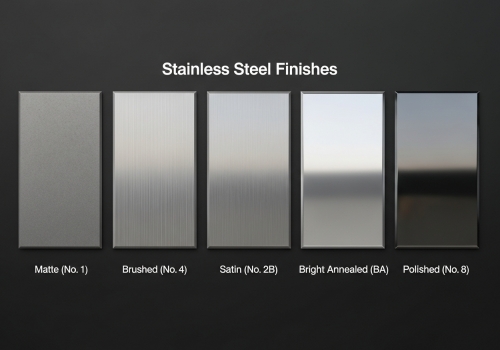
This is where many of my clients get confused. "Polished" is a vague term. To get exactly what you need, we must talk about "Grit" and "Ra." Metal polishing is the process of smoothing the surface. We do this to remove the "scale" from hot rolling or welding seams. Here is a simple breakdown of how we classify finishes at Centerway Steel:
| Finish Type | Common Grit | Description | Typical Application |
|---|---|---|---|
| Mill Finish | N/A | Dull, unpolished, strictly functional. | Hidden structural supports. |
| Brushed/Satin | 180 - 320 | Visible grain lines, non-reflective. | Kitchen equipment, handrails. |
| Bright Polished | 400 - 600 | Reflective, very smooth, clear image. | Decorative columns, marine parts. |
| Sanitary/Dairy | 180+ (Low Ra) | Smooth to prevent bacteria growth. | Food & Beverage, Pharma. |
Sourcing pipes, fittings, and polishing services from different vendors creates a logistical nightmare. This approach wastes your time, increases shipping risks, and threatens quality consistency. An integrated supplier like Centerway Steel handles manufacturing, polishing, and shipping in one place. We ensure the product arrives without scratches, matching your exact specs for architectural or industrial use.
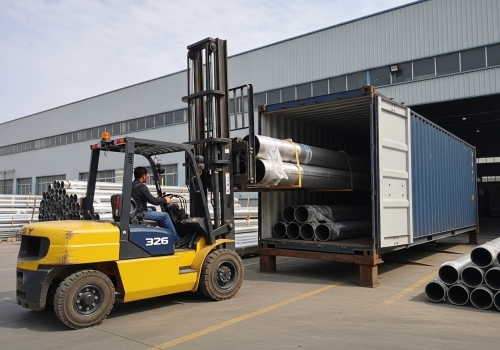
I know your role as a Purchasing Manager is stressful. You have deadlines and strict budgets. Sourcing plain pipes from one factory and sending them to another shop for polishing is risky. The polishing shop might damage the pipe and blame the manufacturer. The manufacturer will blame the polisher. You are stuck in the middle. At Centerway Steel, we solve this. We are a one-stop cluster. We produce the SSAW or seamless pipes, and we have our own processing capabilities. We handle the cutting, the grinding, and the final polishing. Let me tell you about a recent order. We had a client needing decorative column covers for a high-end retail project. The challenge was the thin wall of the tube; it is easy to warp thin tubes during polishing due to heat. Because we control the whole process, we adjusted our equipment to use non-metal abrasives and controlled the temperature carefully. We achieved a flawless Ra 32 finish. Furthermore, packing is vital for polished goods. A scratch ruins the value. We use protective sleeves and specialized crating to ensure that when the container opens in Germany or anywhere else, the polished stainless steel pipe looks exactly as it did on our factory floor. This integration saves you money and, more importantly, gives you peace of mind.
Selecting the right polished pipe requires understanding grades, specific finishes, and finding a reliable partner. We ensure your materials are durable, beautiful, and delivered safely.