
 language
 English
 Español
 بالعربية
News
Pragmatism, Integrity, Passion

Pragmatism, Integrity, Passion
Do you need a strong material for your pipe project but worry about rust? You lose money when you pick the wrong steel. I will help you solve this. The 304 stainless steel material properties include high rust resistance, easy welding, and a non-magnetic structure. It has 18 to 20 percent chromium. It has 8 to 10.5 percent nickel. These traits make it very strong. You can shape it easily for big pipeline systems.
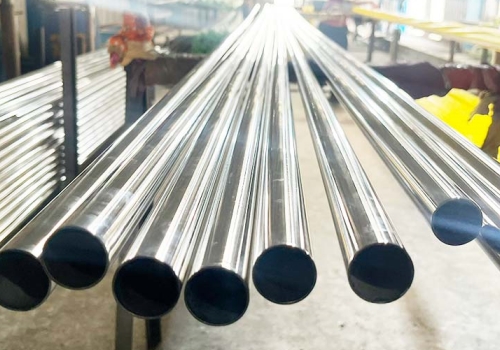
You might wonder how these details change your daily projects. I see many buyers make bad choices. Let us look closely at its physical traits next. You will discover how to save your project budget.
High heat and pressure can break weak pipes. You lose a lot of time. You need to know the physical limits of your steel to avoid this. This steel has a density of 8 grams per cubic centimeter. It is not magnetic. You can buy three main types. Standard 304 is the base. 304L works well for welding. 304H stays strong in very hot places.
I sell steel pipes every day. Customers always ask me about the different types of 304 steel. The letter at the end tells you the carbon amount. 304L has very low carbon. It has less than 0.03 percent carbon. We use 304L for big welded parts. It stops rust near the weld. 304H has more carbon. It holds up well in very hot places. Standard 304 sits in the middle. At Centerway Steel, we see many projects fail. Buyers often pick the wrong carbon level. You must know your heat limit. Standard 304 works for most basic pipe systems.
This steel has an austenitic structure. It has a lot of chromium and nickel. It is not magnetic. I often test this with a magnet in our warehouse. The magnet falls right off. This structure helps the steel fight rust. But you must be careful. Salt water can hurt it. Hot salt water makes small holes in the steel. You must avoid high salt areas.
It feels heavy and solid in your hands. It has a bright and clean look. We can polish the surface. We make it shine. Many architects like this clean look. They leave the pipes visible in modern buildings. The bright surface is easy to clean. Dust and dirt wipe right off. This helps you keep a clean work site. We provide different surface finishes. You can choose a matte finish or a bright mirror finish.
| Element | Amount |
|---|---|
| Chromium | 18% to 20% |
| Nickel | 8% to 10.5% |
| Carbon | Under 0.08% |
| Iron | Base metal |
Pipes crack under heavy loads. A broken pipe stops your whole site. You must check the mechanical strength before you buy. I will show you the limits. It has a tensile strength of 515 MPa. It has a yield strength of 205 MPa. It has a Rockwell B hardness of 70. It bends easily before breaking. It absorbs heavy impacts well.
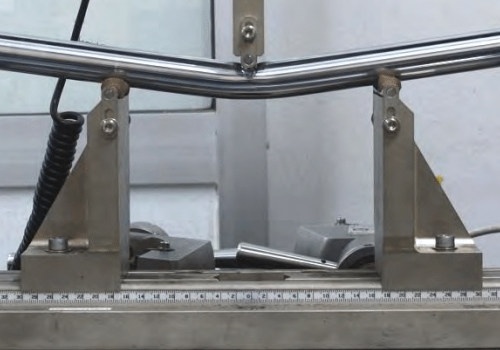
I always check the strength of our steel pipes. We test them before we ship them. Yield strength is the point where the steel bends. It stays bent after this point. For 304 steel, this is 205 MPa. Tensile strength is the point where the steel breaks. This is 515 MPa. These numbers are lower than some hard steels. But this is a good thing. We can cut and shape the pipes easily. We can make custom fittings for your pipeline.
This steel has a Rockwell B hardness of 70. It will not scratch easily. It is also not too brittle. I once watched a heavy tool fall on a 304 pipe. The pipe dented. But it did not crack. It has a high Charpy impact score. It absorbs the shock well. It bends instead of breaking. This keeps your pipeline safe during sudden hits. You want a pipe that bends a little under stress. A brittle pipe snaps. It causes leaks. Understanding 304 stainless steel material properties helps you build safe structures.
Engineers care about the modulus of elasticity. This measures how stiff the steel is. For 304 steel, it is around 193 GPa. This high number means the pipe holds its shape well. It does not stretch easily under normal loads. I see many long pipeline systems. They need strong supports. This stiff steel prevents the pipes from sagging. You can build safe structures with it. It supports high water pressure from the inside.
| Property | Value |
|---|---|
| Yield Strength | 205 MPa |
| Tensile Strength | 515 MPa |
| Hardness | 70 Rockwell B |
| Elastic Modulus | 193 GPa |
Buying the wrong steel grade causes quick rust. You waste your budget on bad replacements. You must match the steel to the right job. I will show you where to use it. You can use it in food processing and water pipelines. You can use it in chemical plants and kitchens. Its great rust resistance makes it perfect for long-lasting industrial parts.
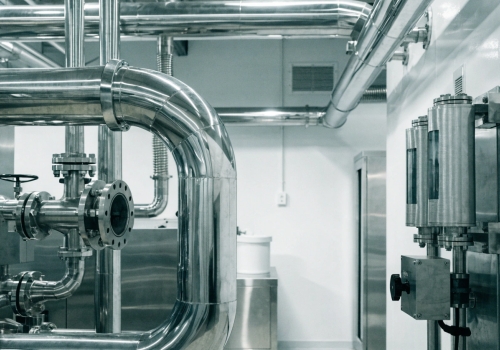
People call 304 steel "food-grade steel." It does not react with food acids. I visit many food processing plants. They use our 304 pipes for water and liquid food. It keeps everything clean and safe. It is also great for city water pipes. The versatile 304 stainless steel material properties make it perfect for clean jobs.
We supply many pipes for oil and gas projects. But standard 304 steel is not always the best for high-salt oil rigs. It works best for clean chemical plants. It works well for factory cooling lines. You can form it into very complex shapes. Our factory makes long pipes from this steel. We ship them all over the world. Buyers always look for a one-stop supplier. We keep standard 304 pipes in stock. This cuts down your wait time.
The medical field uses this steel a lot. Doctors use tools made from it. Factories make small needles from 304 steel. The metal stays safe and clean. It handles hot steam during cleaning. You also see this steel in your home. Most high-quality pots and pans use it. It heats up evenly. It does not give a metal taste to your food. You can wash it a thousand times. It still looks brand new.
| Industry | Common Uses |
|---|---|
| Food Processing | Mixers and clean liquid pipes |
| Medical | Clean tools and needles |
| Building | Water lines and structural supports |
| Chemical | Cooling lines and storage tanks |
You now know the main facts about 304 stainless steel. It offers great strength and fights rust well. Contact Centerway Steel for your next pipeline project. We supply reliable parts.