
 language
 English
 Español
 بالعربية

News
Pragmatism, Integrity, Passion

Pragmatism, Integrity, Passion
Are leaking connections costing you time and money? We know how frustrating sudden system failures are. Let us fix that with the right pipeline components. ss tubes and fittings connect, seal, and direct fluid or gas in your pipeline systems. They prevent dangerous leaks under high pressure and resist harsh corrosion, making them essential for your construction projects.
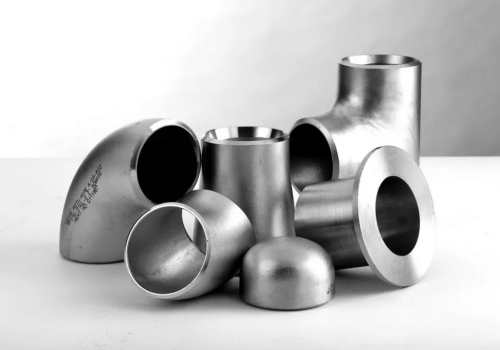
Selecting a poor joint will eventually shut down your entire pipeline. If you choose the wrong metal grade or thread type, you will face catastrophic leaks and massive repair bills. Let us explore how you can avoid this expensive disaster.
Struggling to pick the correct joint? A wrong choice always leads to severe leaks. We break down the exact options you need right here. The main types of ss tubes and fittings include compression, welded, threaded, flared, and push-to-connect. Each type provides different pressure ratings, installation methods, and reusability levels to match your specific pipeline requirements.
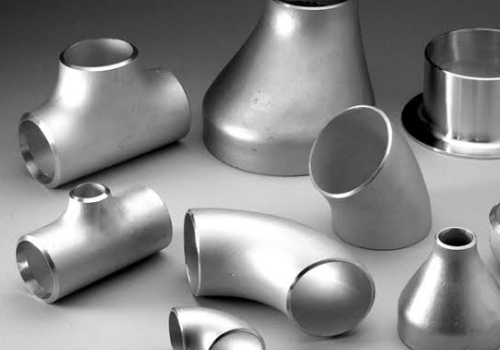
Let us look closer at how these connections actually work. You must understand their mechanics to save costs on your projects. Over our many years in the industry, we have seen buyers waste thousands of dollars by ordering the wrong connection type.
· Welded joints: You fuse the metal together permanently using intense heat. This process offers the highest physical strength.
· Threaded joints: You screw mating parts together using specialized sealant tape to block microscopic leaks.
To help you decide quickly, we created this reference guide based on real project data:
| Type | Installation Tool | Leak Tightness | Average Pressure Rating | Reusability |
|---|---|---|---|---|
| Compression | Wrench | High | Up to 10,000 PSI | Limited |
| Welded | Welding Machine | Very High | Up to 15,000 PSI | None |
| Threaded | Wrench + Sealant | Moderate | Up to 5,000 PSI | High |
| Push-to-connect | Hands | Moderate | Up to 250 PSI | High |
Worried about material failure in harsh environments? Corrosion destroys weak metals incredibly fast. You need components built to survive extreme conditions. Industries use these connections in chemical processing, water treatment facilities, power generation plants, and commercial building plumbing. They withstand high temperatures, harsh chemicals, and constant vibration where standard carbon steel materials easily fail.
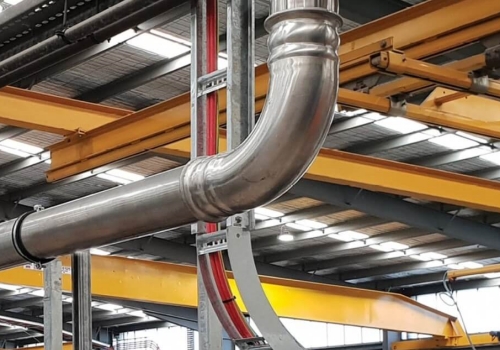
Different projects demand different material properties. We regularly see engineers make expensive mistakes by ignoring the specific working environment. Let me share some technical insights to help you choose wisely.
· Grade 316 handles high-chloride environments extremely well.
· Grade 304 works perfectly for standard indoor water lines.
· Smooth inner walls prevent bacterial buildup in food production facilities.
When you buy cheap carbon steel for a corrosive environment, you lose money quickly. Our historical data shows that replacing a failed carbon steel joint costs three times more than installing a quality stainless part initially. The emergency labor costs and system downtime alone will ruin your project budget. For example, in coastal construction projects, salt water moisture destroys standard steel in just a few months.
By using Grade 316 alloys (which contain 2% molybdenum), you guarantee your pipelines will last for decades. Always match the exact metal grade to your specific working fluid to avoid sudden pipe ruptures and dangerous chemical spills.
Overwhelmed by confusing technical specifications? Ordering the wrong size wastes your valuable project budget. Let us simplify your buying process right now. To select the perfect fitting, match your tube outside diameter and wall thickness first. Next, verify your system operating pressure, choose the correct stainless steel alloy grade, and determine your required installation method.
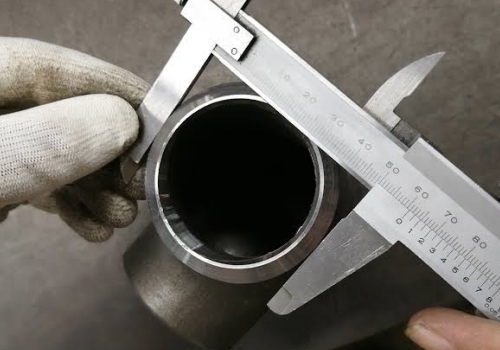
You cannot guess when buying pipeline materials. I always tell my clients to follow a strict, written checklist. This simple process prevents installation delays and frustrating material returns.
1. Measure the exact outside diameter of your tubing using high-quality digital calipers.
2. Check the tube wall thickness to ensure the joint can grip it properly under stress.
3. Read your system design manual to find the maximum working pressure.
4. Confirm the fluid temperature, as extreme heat heavily lowers safe pressure ratings.
· Never mix different thread standards (like NPT and BSPT) on the same line.
· Do not over-tighten compression nuts, as this crushes the internal ferrule.
· Always deburr your cut tube ends before you insert them into the body. If you skip deburring the metal, the sharp edges will cut the internal O-rings or scratch the sealing surfaces. This tiny mistake causes immediate leaks once you pressurize the water system. Take your time during the preparation phase. When you verify every single dimension before ordering, your assembly process will go smoothly and safely.
Frustrated by failed pressure tests? Poor installation practices waste good materials. We will show you exactly how to assemble them securely. Install these components correctly by cutting the tube perfectly square, removing all metal burrs, and marking your exact insertion depth. Clean all threads before applying your sealant, and never use excessive force when tightening the final nut.
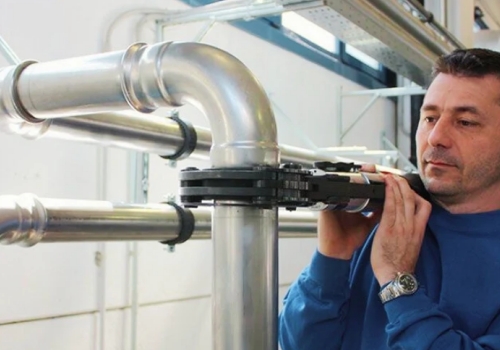
Even the highest quality parts will leak if your team installs them poorly. We train construction crews to treat every connection like a critical safety point. Let us review the exact steps for the most common connection style.
· Cut the tubing straight using a dedicated tube cutter, never a hacksaw.
· File the inside and outside edges until they feel completely smooth.
· Push the tube firmly into the fitting until it hits the bottom shoulder.
When you apply sealant tape to threaded parts, wrap it in the direction of the threads. If you wrap it backward, the tape will unroll and bunch up when you screw the parts together. This blocks the fluid flow and breaks the tight seal. Furthermore, you must secure the fitting body with a backup wrench while you tighten the nut. If you let the body spin, you will twist the connected pipeline and damage nearby supports. Proper wrench handling protects your entire investment and keeps your workers safe from sudden pressure releases.
What causes most stainless pipe joints to leak?
Poor tube preparation, mismatched thread types, and severe over-tightening cause the vast majority of leaks. Always cut your tubes perfectly square and remove all sharp burrs before assembly.
Can I mix parts from different manufacturers?
We strongly advise against mixing components from different brands. Slight manufacturing tolerances will cause the connection to fail entirely under high pressure.
Which alloy resists rust the best?
Grade 316 offers the best rust resistance for standard construction projects because it contains molybdenum. It easily survives salt spray and harsh cleaning chemicals without degrading.
Do I need special tools to install these parts?
You need basic tools like open-end wrenches, dedicated tube cutters, and deburring tools. Welded connections require professional welding equipment and certified operators.
Different connections solve different project demands. Need reliable components? As your one-stop supplier, Centerway Steel provides premium ss tubes and fittings to keep your pipelines running safely and efficiently. Reach out to us today.