
 language
 English
 Español
 بالعربية
News
Pragmatism, Integrity, Passion

Pragmatism, Integrity, Passion
Are you struggling to pick the right pipe material? Choosing the wrong grade ruins projects and wastes money. We will show you exactly how to decide today. The main difference between these two grades is the carbon content. The standard 304 grade holds a maximum of 0.08% carbon. The 304L grade holds a maximum of 0.03% carbon. This lower carbon level makes 304L much better for welding because it resists rust at the joints.
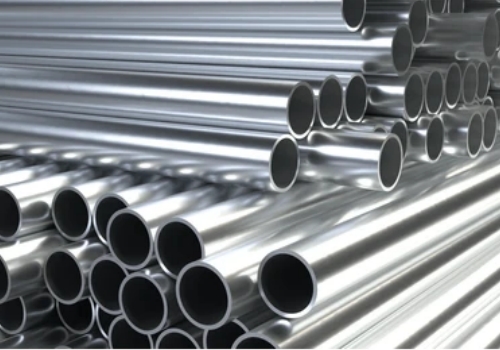
You might think these two metals perform exactly the same in the field. Stop right there. The tiny difference in their chemical makeup creates huge changes in strength, price, and how long your project will last. Read on to avoid a costly mistake.
Are you confused by complex material data sheets? Misunderstanding these simple numbers leads to weak structures. We break down the exact data you need to know. Standard 304 is physically stronger than 304L. They share the same amounts of chromium and nickel. But the standard grade has a higher tensile strength of 620 MPa. The low-carbon grade has a lower tensile strength of 586 MPa.
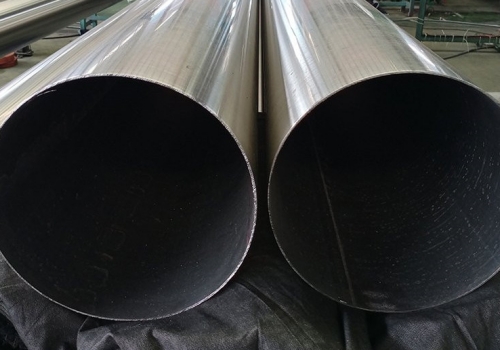
Let us look closer at the numbers. I have 18 years of experience in the construction pipeline industry. During this time, I have seen many buyers ignore small chemical details. This mistake always leads to big trouble on the job site. The "L" simply stands for low carbon. This small drop in carbon changes the whole structure of the metal.
Here is what goes into a typical 304/304l stainless steel pipe:
· Nickel: 8.00% to 12.00% (both grades)
· Carbon in standard: 0.08% maximum
· Carbon in low-carbon: 0.03% maximum
Because of the extra carbon, the standard metal handles much more physical stress.
· Tensile strength for standard: 620 MPa
· Tensile strength for low-carbon: 586 MPa
· Yield strength for standard: 289 MPa
· Yield strength for low-carbon: 241 MPa If you build a heavy support frame, the standard grade holds more weight safely. We had a client use the low-carbon version for a high-pressure line last year. They did not adjust the wall thickness to account for the weaker metal. The pipe warped badly under pressure. You must always check your load requirements before you place an order.
Do your pipe welds rust too fast? Corroded joints cause dangerous leaks and shut down production lines. The right material fixes this problem completely. You use 304L for welding to stop weld decay. The low carbon level prevents carbide precipitation during high heat. This keeps the metal strong against rust. You can put the welded parts straight into service without doing any extra heat treatment.
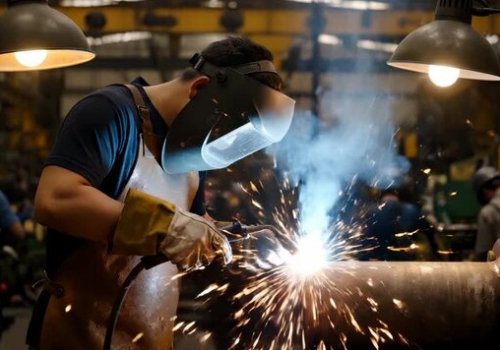
Welding creates intense heat. When you weld the standard material, the carbon and chromium combine inside the metal. This reaction leaves the area around the weld with almost no chromium to fight rust. We call this problem sensitization.
I worked on a huge water treatment plant five years ago. The contractor bought standard material for heavily welded pipe networks. Within a single year, thick rust appeared at every single joint. They had to cut out and replace 40% of the lines. Buying the low-carbon version from the start would have saved them over $50,000 in repair costs and lost time.
· Faster installation: Your workers finish the job much quicker.
· Longer life in wet spots: The joints resist acid and water damage.
· Lower maintenance costs: You replace broken parts less often. The standard material works perfectly fine if you do not weld it. It also works if you have the tools to treat the whole piece with high heat after you finish welding. But for large field projects, the low-carbon version is always the safer and cheaper choice.
Are you still unsure which pipe to buy? Guessing can ruin your project budget or your safety record. Follow this simple guide to choose correctly. You choose standard 304 for high-strength parts that you do not weld. You choose 304L for heavy pipe networks that require multiple welds. If you want the benefits of both, you can buy dual-certified materials that meet both strength and low-carbon standards.
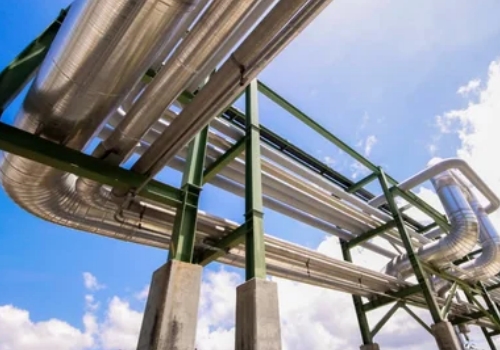
Picking the exact right grade saves money and time. Sometimes, factories produce metal that fits both categories. We call these dual-certified pipes. These items meet the strict rules for both standard and low-carbon types at the same time.
· Check the heavy load: If the pipe holds high pressure, calculate if the weaker yield strength of the low-carbon grade is safe.
· Review the work process: If your team welds pieces in the field, always buy the low-carbon version.
· Check the project budget: Prices are usually very close, but dual-certified materials might cost slightly more.
· Ask your main engineer: Always verify the design limits before buying.
| Feature | Standard Grade | Low Carbon Grade |
|---|---|---|
| Best feature | Higher strength | Better weldability |
| Carbon limit | 0.08% | 0.03% |
| Post-weld heat | Needed | Not needed |
| Common use | Wire baskets | Heavy pipes |
Q: Can I weld the standard grade metal?
A: Yes. But you must heat-treat it after you weld it. This stops rust from forming at the joints.
Q: Is the low-carbon version more expensive?
A: The prices are usually very similar. Factory availability might change your final cost.
Q: Do these two grades look different?
A: No. They look exactly the same on the outside. You must read the factory material test report to know the exact difference.
The right carbon level ensures your project succeeds safely. When you need a top-quality 304/304l stainless steel pipe, contact our team at Centerway Steel today for a fast quote!