
 language
 English
 Español
 بالعربية
News
Pragmatism, Integrity, Passion

Pragmatism, Integrity, Passion
Choosing the wrong pipe size causes leaks and project delays. You lose time and money. I will show you how to pick the right stainless steel pipe dimensions. ASME B36.19 is the standard specification for stainless steel pipe dimensions, including outside diameter and schedule wall thickness. It ensures pipes fit correctly in pressure systems, preventing failures. This standard helps you select the exact pipe size for your construction and industrial needs.
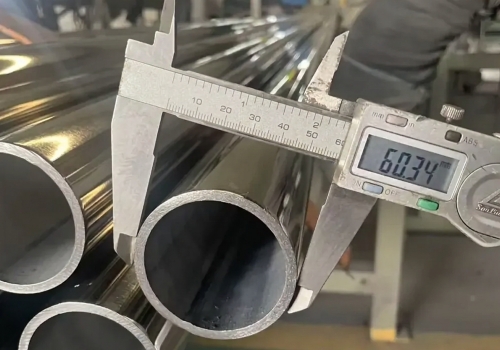
You might feel lost when you look at all these pipe numbers. But do not worry, I will guide you through this step by step so you can make the best choice.
Wrong pipe dimensions ruin your entire piping system. Replacing them costs a lot. You can avoid this by learning the basics of Nominal Pipe Size and schedules. Nominal Pipe Size (NPS) gives a standard label to pipe sizes, but it does not always match the exact outside diameter. Pipe schedules define the wall thickness. For example, Schedule 40 is thin for low pressure, while Schedule 80 is thick for high pressure.
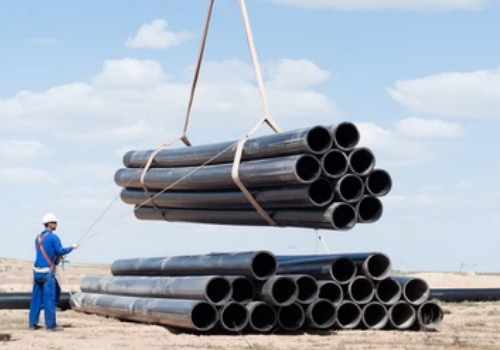
I worked on a large water supply project in Turkey last year. The client needed durable pipes for a new urban network. We used asme b36 19 stainless steel pipe because the local water has high salt content. The client originally wanted standard Schedule 40 pipes. I told them to use Schedule 80S instead.
The "S" in Schedule 40S stands for stainless steel. This letter separates it from carbon steel pipes under the B36.10M standard.
Wall thickness decides how much pressure a pipe can hold. A thin pipe bursts under high pressure. A thick pipe is safer but costs more. You must balance safety and budget. I always tell buyers to calculate the exact pressure needs before they order. In our Turkey project, the Schedule 80S pipes handled the high water pressure perfectly. The project was a huge success. Here is a simple comparison to help you understand:
| Schedule Type | Wall Thickness | Best Application |
|---|---|---|
| Schedule 5S | Very Thin | Low-pressure systems |
| Schedule 40S | Medium | General water lines |
| Schedule 80S | Thick | High-pressure chemical lines |
Heavy pipes increase your shipping costs fast. You might go over your project budget. I will teach you how to calculate pipe weight to control your transport costs. You calculate the nominal weight of a pipe using its outside diameter and wall thickness. In metric units, the formula is Wpe (kg/m) = 0.02466 × (D - t) × t. This exact weight helps you plan your logistics, transport, and installation safely.
Calculating pipe weight is a daily task in my work at Centerway Steel. Last month, a buyer named Jackie sent me an inquiry. He has 18 years of experience in the construction industry. He needed a large batch of pipes. He wanted to know the exact shipping weight to book containers.
The weight depends heavily on the wall thickness. When you pick a thicker pipe, the weight goes up fast. You must use the correct formula to avoid surprises at the shipping port.
Let us look at a 12-inch pipe. If you choose Schedule 40S, it has a specific weight. If you change to Schedule 80S, the weight increases significantly. Jackie used my weight calculations to book the exact number of shipping containers. He saved his company thousands of dollars in transport fees.
| NPS Size | Schedule | Outside Diameter (mm) | Wall Thickness (mm) |
|---|---|---|---|
| 2 inch | 40S | 60.3 | 3.91 |
| 2 inch | 80S | 60.3 | 5.54 |
| 6 inch | 40S | 168.3 | 7.11 |
| 6 inch | 80S | 168.3 | 10.97 |
Using poor quality pipes causes system failures and safety risks. You face big legal problems. You must follow strict ASTM standards to guarantee your project safety. ASTM sets the quality and safety standards for stainless steel pipes. Standards like ASTM A312 cover seamless and welded pipes. When you connect pipes, you use threads. You can only thread thicker pipes like Schedule 40S. Thinner pipes like Schedule 10S will break easily.

At Centerway Steel, we only supply pipes that meet top international standards. We check every single pipe before it leaves our factory. You cannot take risks with pressure vessels or city pipelines.
Different projects need different pipe standards. You must match the standard to your project environment.
Many buyers ask me if they can thread a Schedule 10S pipe. I always say no. The wall is too thin. If you cut threads into it, the pipe loses its strength. It will leak under pressure.
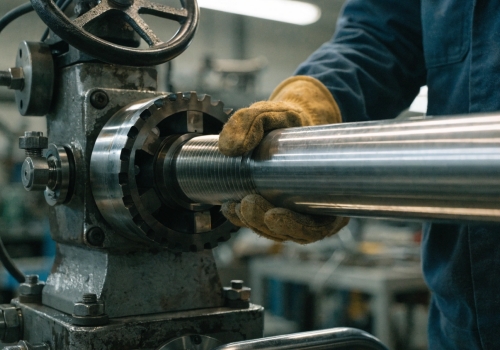
You need at least a Schedule 40S pipe for safe threading. The threads follow the ANSI/ASME B1.20.1 standard. In our Turkey project, we supplied pipes with perfect threaded ends. The local workers installed them quickly without any leaks. Always check your wall thickness before you decide to use threaded connections.
| Pipe Schedule | Can I Thread It? | Reason |
|---|---|---|
| Schedule 5S | No | Wall is too thin to cut |
| Schedule 10S | No | Reduces pipe strength too much |
| Schedule 40S | Yes | Thick enough for safe threads |
| Schedule 80S | Yes | Excellent strength for deep threads |
You still have questions about pipe standards. Unanswered questions stop your project progress. I will answer the most common questions to clear your doubts right now. Here are quick answers to your top questions. The ASME standard covers dimensions for seamless and welded pipes. You select the wall thickness based on internal pressure, material strength, and external loads. I will break down the details below.
I talk to many buyers every week. They all ask similar questions. I gathered the most important ones here.
Q: What is the main difference between ASME B36.10M and ASME B36.19M?
A: ASME B36.10M is for carbon steel and alloy steel pipes. ASME B36.19M is specifically for stainless steel pipes. The stainless steel standard includes the "S" schedules like 10S and 40S.
Q: Can I use a Schedule 40S pipe for high-pressure gas lines?
A: Usually, no. Gas lines need very strong walls. You should look at Schedule 80S or thicker. You must calculate the minimum required wall thickness using the ASME Boiler and Pressure Vessel Code.
Q: Why does the Nominal Pipe Size not match the exact outside diameter?
A: NPS is just a standard name for the pipe up to 12 inches. For pipes 14 inches and larger, the NPS does equal the exact outside diameter.
Q: Does Centerway Steel provide test certificates?
A: Yes. We provide full testing reports for every batch. Our products pass strict third-party checks like SGS and TUV. We guarantee quality for all our global partners. By knowing these answers, you avoid common purchasing mistakes. You will save time when you send your next inquiry to me.
Understanding pipe dimensions, schedules, and weights keeps your projects safe and cost-effective. You can rely on Centerway Steel to provide top-quality piping solutions for all your global engineering needs.